The Spectacle of the Circus vs. the Sovereignty of the 10€/Hour Muscle
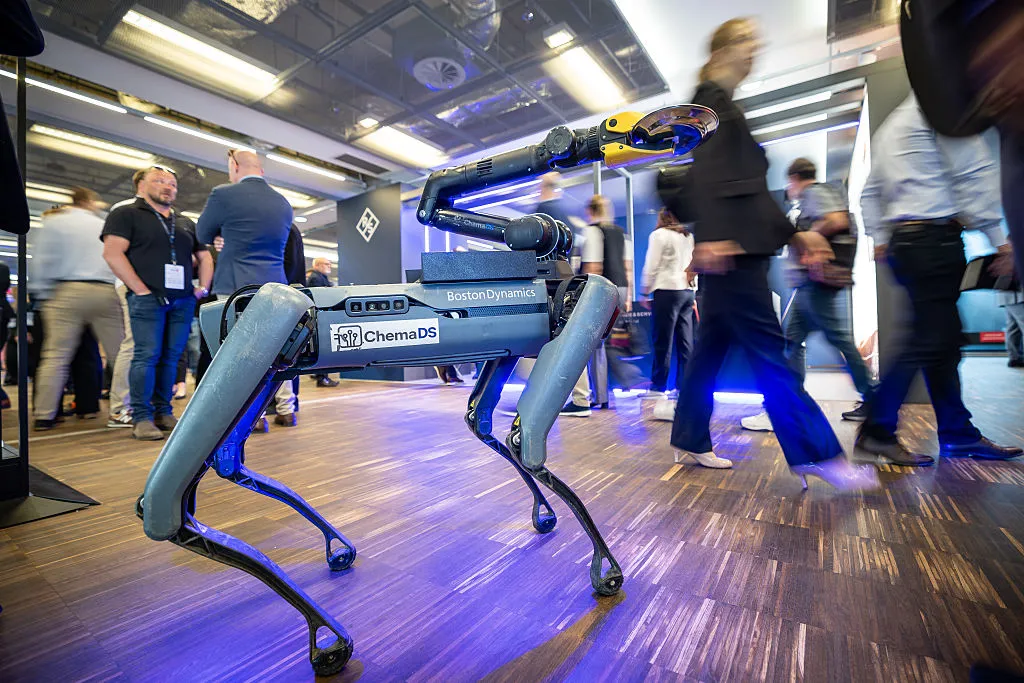
Electric muscles beating world records in the 100-meter sprint in Beijing, bipedal machines clearing 2.88-meter jumps, and carbon-fiber limbs performing acrobatic feats for media attention. The global tech ecosystem is currently hyper-fixated on the circus of showman robots.
However, on the actual factory floor and within the heavy logistics infrastructure of OktoArk, humanoid robots capable of outrunning Usain Bolt hold a practical utility value approaching zero.
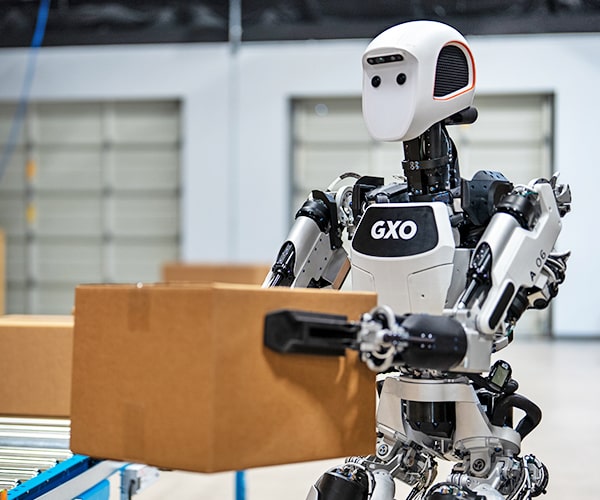
The true industrial revolution of humanoids is not measured in Olympic medals or viral performance videos. The real civilizational breakthrough is far more pragmatic: machines capable of unloading a freight truck with the brute strength required, yet sorting a tube of lipstick with surgical dexterity — at a projected operational cost of $10 per hour.
1. The Illusion of Athletic Robotics vs. Precision Calibration
At last week’s World Humanoid Robot Games in Beijing, over 2,000 robots put on a display of raw computational power, hyper-reactive actuators, and linear speed. Yet, as leaders in heavy logistics readily acknowledge, running fast in a straight line on a controlled stage is the easy problem to solve — the environment is static, predictable, and repetitive.
The true engineering bottleneck lies in contextual micro-dexterity:
- Gripping fragile, soft, or slippery items without causing structural damage.
- Sustaining the mechanical torque necessary to maneuver multi-kilogram crates continuously.
- Adapting within milliseconds to unpredictable surfaces, shifting cargo, and dynamic warehouse environments.
2. Eradicating Turnover and the Economics of Synthetic Muscle
Patrick Kelleher, CEO of logistics powerhouse GXO (overseeing a global workforce of 150,000), cuts through the naive narrative of “mass human replacement.” The immediate deployment goal for humanoids in supply chain operations is not to eradicate human capital, but to solve a chronic, structural industry crisis: unforgiving employee turnover driven by physically punishing, repetitive, and hazardous tasks.
When the operational cost of a functional bipedal humanoid drops to the psychological threshold of 10€/hour:
- Physical Labor Exhaustion Is Phased Out: Extreme cold-storage environments, relentless heavy lifting, and unyielding shift work cease to be human burdens.
- Infrastructure Achieves High Resilience: Operational capacity is no longer bottlenecked by acute labor shortages or severe physical fatigue.
- Operators Move Up the Value Chain: Human workers transition from raw kinetic energy sources to system managers, quality auditors, and fleet supervisors over autonomous units.
3. The OktoArk Reading: Autonomy Without Fluff
Under the OktoArk manifesto, technology is never deployed to generate vanity content for digital feeds. Processing nodes, physical actuators, and autonomous algorithms exist for a single purpose: to guarantee the absolute resilience and sovereignty of critical infrastructure.
The acrobatic sprints in Beijing are entertaining media artifacts. The $10/hour humanoids sorting inventory in dark warehouses and unloading shipping containers in silence are the foundational bedrock of the real world.
True embodied AI doesn’t need to break sprinting records on a track; it needs to ensure that the civilizational supply chain never grinds to a halt.
#OktoArk #EmbodiedAI #Robotics #SupplyChain #Automation #FutureOfWork #Logistics