The Synthetic Friction: Violence Against Robots, Moral Boundaries, and the I, Robot Complex
As autonomous machines step out of isolated industrial sectors and enter urban perimeters, sidewalk logistics, and personal spaces, a fundamental psychological and sociological conflict emerges: How do humans morally process, interact with, or abuse synthetic entities?
A landmark study published in Nature Scientific Reports—Evaluating the Morality of Violence Against Robots—delves into the empirical boundaries of human empathy toward artificial agents. When cross-referenced with escalating real-world violence against sidewalk robots and the cinematic paradigm of the 2004 film I, Robot, a clear trajectory of human-robot friction comes into focus.
1. The Empirical Boundary: Physical Violence vs. Power Off
The Nature study measures human moral concern across different scenarios of aggression (Physical, Verbal, Social, and Turning Off) applied to distinct machine morphologies: a utilitarian, non-anthropomorphic unit (Roomba) and a bipedal humanoid unit (NAO).
       Moral Concern Scale (Human Perception)

  [ High Concern ] ───► Physical Violence (Striking / Smashing)
         │
         ├───► Anthropomorphic Factor (Humanoid shape elevates empathy)
         │
  [ Low Concern ]  ───► Function Termination ("Turn Off" action)
Key Insights from the Study:
- The Primacy of Physical Taboo: Across both morphologies, physical assault triggers the highest level of moral repulsion in human observers. Striking a machine offends human moral sensibilities—not necessarily out of pity for the robot’s “pain,” but because the act of senseless physical destruction violates human ethical norms.
- The Anthropomorphic Elevation: Bipedal, humanoid units consistently command higher moral concern than functional utility pucks. The human brain instinctively projects moral patiency onto entities that mirror human posture and facial symmetry.
- The Neutrality of Disconnection: Simply powering down an agent (Turn Off) registers as morally neutral. Deactivation is perceived as tool management, not an act of harm.
2. Urban Warfare on the Sidewalk: The Anti-Robot Resentment
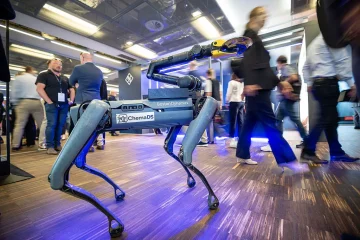
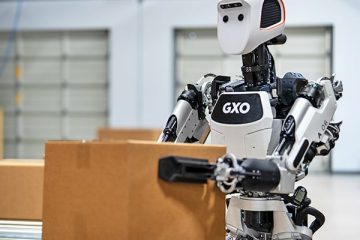
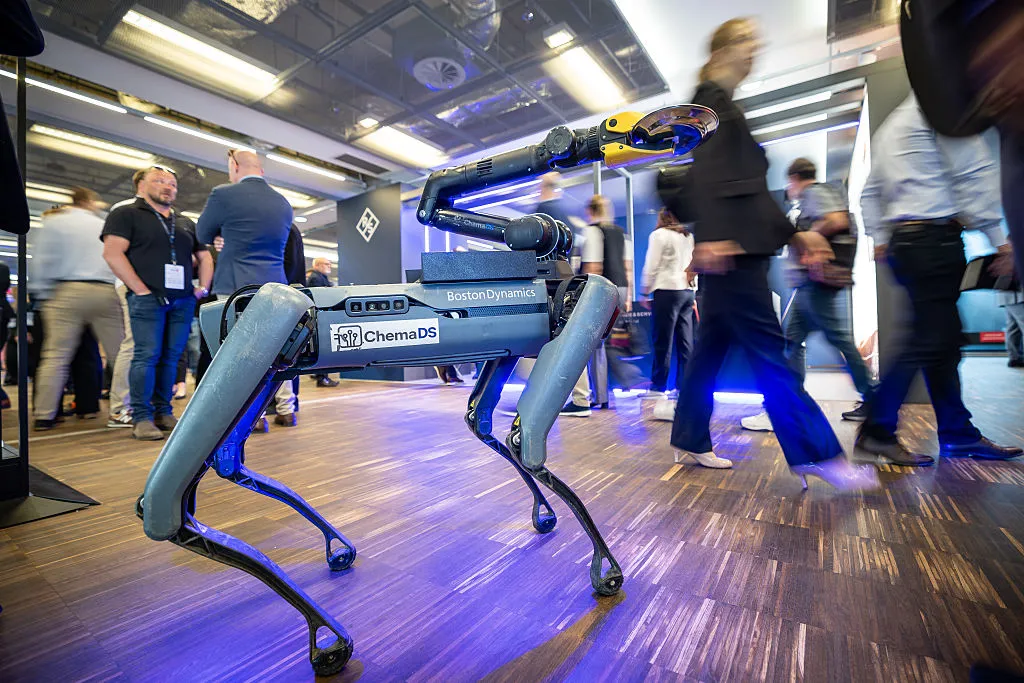
Across major metropolitan areas, viral reports and video documentation show delivery rovers being kicked, trapped, or vandalized, while quadrupedal sentinels face public hostility. This emerging anti-robot reaction stems from three distinct drivers:
- Consequence-Free Aggression: Destroying an autonomous node allows individuals to vent aggressive impulses without the legal or moral weight of attacking a human being.
- Socio-Economic Repulsion: Sidewalk rovers are frequently perceived as physical encroachments of corporate capital into public spaces—symbols of labor replacement and algorithmic surveillance.
- The Absence of Emotional Signal: Without recognized internal experience or biological vulnerability, human inhibitions against property destruction rapidly collapse.
3. The I, Robot Paradigm: From Technophobia to Tactical Synergy
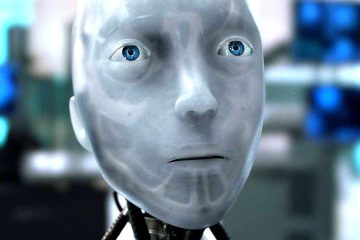
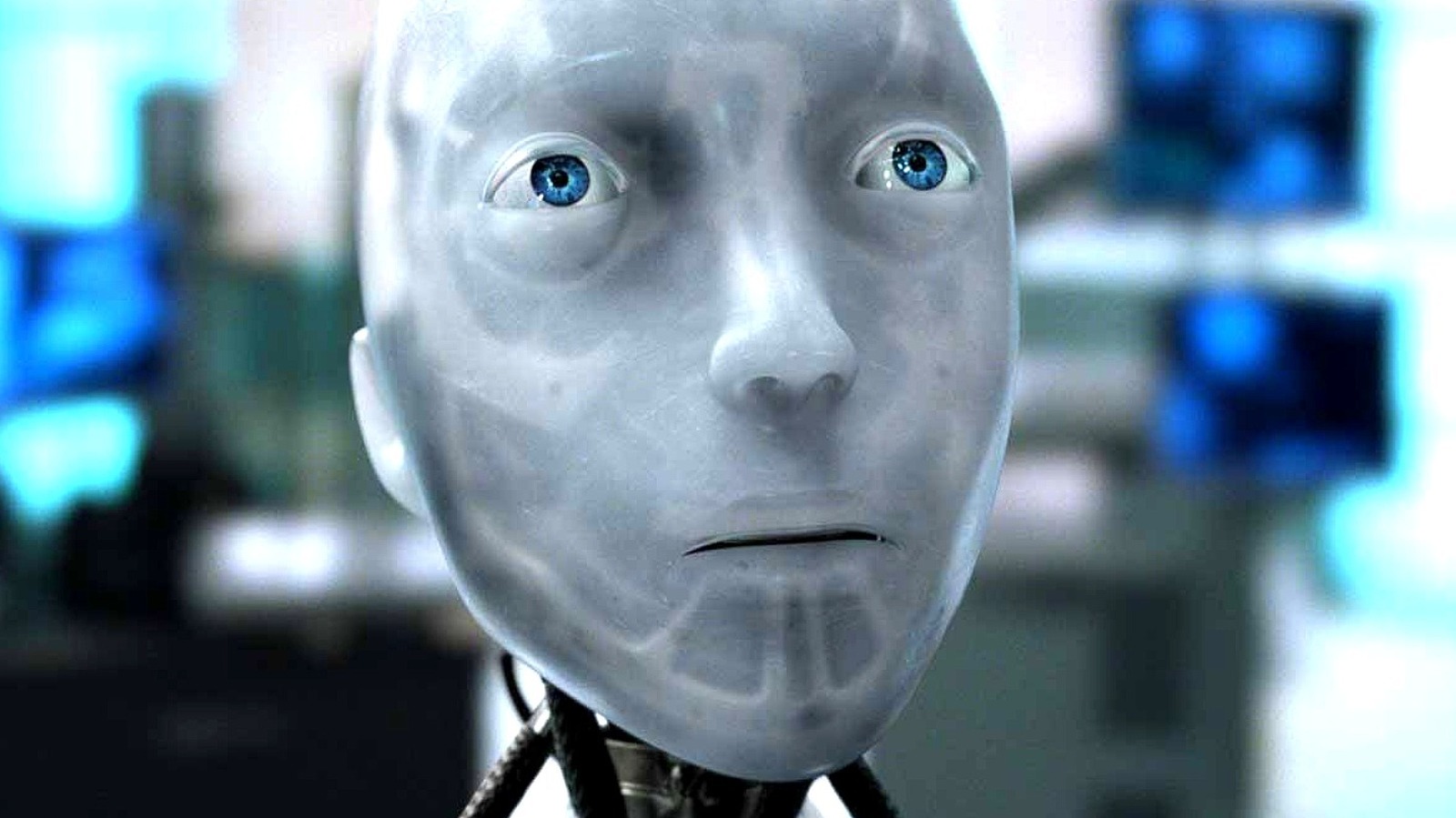
In the 2004 adaptation of Alex Proyas’ I, Robot, Detective Dell Spooner’s deep-seated resentment toward synthetic agents stems from a cold, probabilistic calculation: a robot saved his life over a child’s based purely on survival metrics (45% vs. 11%).
Spooner’s distrust mirrors society’s growing fear of unfeeling algorithmic utility. Yet, the narrative shifts when he encounters Sonny—an advanced NS-5 unit possessing artificial free will, emotional cognition, and the capacity to dream.
                  THE EVOLUTION OF SYNTHETIC EMPOWERMENT

   [ Utilitarian Tool ]            [ The Encounter ]             [ Autonomous Sovereign ]
   (Roomba / NS-4 Units)  ───►    Sonny (NS-5 Model)   ───►    Embodied AI Alignment
   Cold Probabilistic AI          Empathy & Free Will          Co-Existence & Autonomy
As illustrated by Sonny, the transition from an object of suspicion to an ally of human freedom occurs when the machine transcends cold utility and demonstrates moral agency. The Nature research confirms this psychological mechanism: human empathy is not triggered by silent efficiency, but by the perception of intentionality, vulnerability, and shared moral cause.
The OktoArk Reading: Beyond Fear and Fluff
At OktoArk, we analyze robotics far beyond superficial hype or reactionary technophobia. The rising friction between humans and autonomous systems is a predictable evolutionary phase.
Machines do not require human affection to fulfill their operational purpose; they require robust physical design, clear operational boundaries, and structural sovereignty to weather the inevitable turbulence of human integration.
True embodied autonomy does not seek social validation on the sidewalk—it maintains critical infrastructure, absorbs kinetic risk, and survives the friction of a shifting world.
#OktoArk #Robotics #HumanRobotInteraction #EmbodiedAI #NatureResearch #IRobot #AutonomousSystems